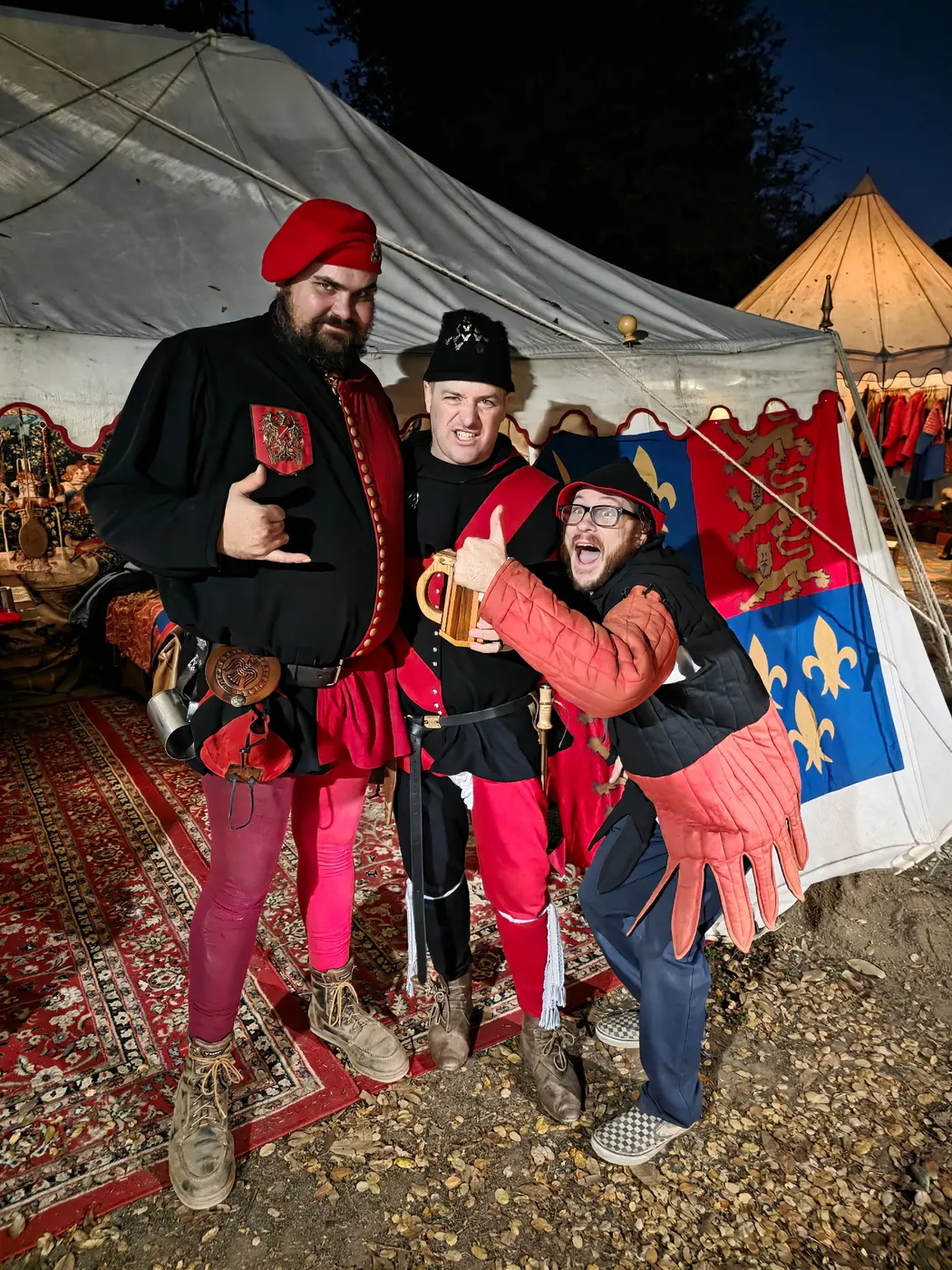
Living history means recreating the past with real people, clothing and objects so visitors can see and ask about everyday life. Reenactment recreates a specific event, such as a battle. At a medieval festival, the two meet in guild encampments, where hobbyists demonstrate crafts and combat and answer questions.
What living history and reenactment mean
Both terms describe people bringing history to life in person, but they are not quite the same thing. The International Museum Theatre Alliance, a professional network for museum performers, offers useful definitions.
- Living history: a very broad term for recreated historical environments and the people who work in them, from a farm museum to a medieval camp.
- Reenactment: a detailed recreation of a specific historical event, such as a battle, where costume and action make an impact even from a distance.
- First-person interpretation: the interpreter takes on a role as a character from the past and speaks as that person.
- Third-person interpretation: the interpreter speaks in their own voice and from their own point of view about the past, and may or may not be in costume.
Who reenactors are
Many medieval reenactors are hobbyists rather than professional actors. They choose a period and a place, research what people wore, ate, made and fought with, and then reproduce it as faithfully as their time and budget allow. Many specialize: one member of a group may focus on cooking, another on archery, another on armor or embroidery.
Reenactors usually belong to groups, often called guilds, households or companies. A group gives its members shared camp equipment, a common identity and a place to learn. Some groups recreate a particular military unit or household from a single decade; others are broader and cover several centuries.
One of the oldest organizations in this world began in California. The Society for Creative Anachronism, or SCA, describes itself as an international nonprofit volunteer educational organization devoted to researching and re-creating pre-17th-century skills, arts, combat and culture. It started in 1966 in Berkeley, when a group of friends held an outdoor tournament party and improvised the society’s name to reserve a public park.
What happens in a guild encampment
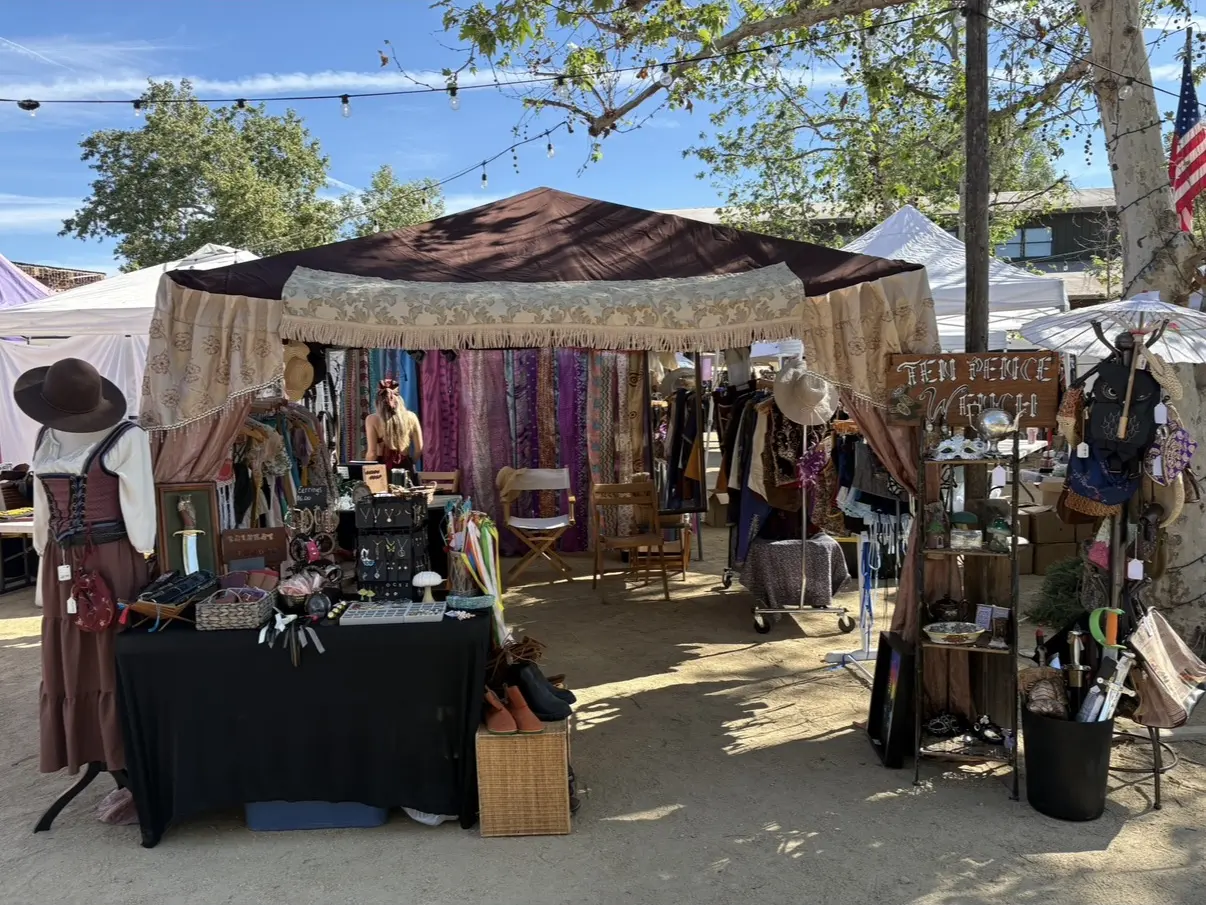
At a medieval festival, the encampments are where living history happens. Instead of a stage show, you walk into a working camp. Depending on the group and period, you might see:
- Cooking over an open fire, with period ingredients and utensils.
- Blacksmithing, woodworking, leatherwork or other crafts using hand tools.
- Spinning, weaving, sewing and embroidery, often of the clothes the group is wearing.
- Arms and armor laid out for inspection, and demonstrations of how they were worn and used.
- Archery and combat drills, which may lead into a staged battle later in the day.
- Tents, furniture and camp gear made to period patterns.
How to talk to reenactors
Reenactors are there because they love sharing what they know, and a good question can turn a quick look into the best conversation of your day. A few habits help:
- Start with something specific. “What are you cooking?” or “How long did that take to make?” works better than a general “What is this?”
- Ask before you touch. Many objects are handmade, fragile or sharp. Most reenactors are happy to let you handle something if you ask first.
- Respect the rope or the tent line. A camp is often also where people eat and rest, so stay out of sleeping areas.
- Play along with first person. If someone answers as a character from 1420, ask them about their life in that year. If you need modern information, such as where the restrooms are, it is fine to ask plainly.
- Do not argue accuracy. If you spot something you think is wrong, ask about it with curiosity. There is often a story behind the choice.
- Give space during demonstrations. Fire, blades and bows need clear room, so follow any instructions about where to stand.
- Thank them. Most reenactors volunteer their time and pay for their own gear.
Living history, theater and faires
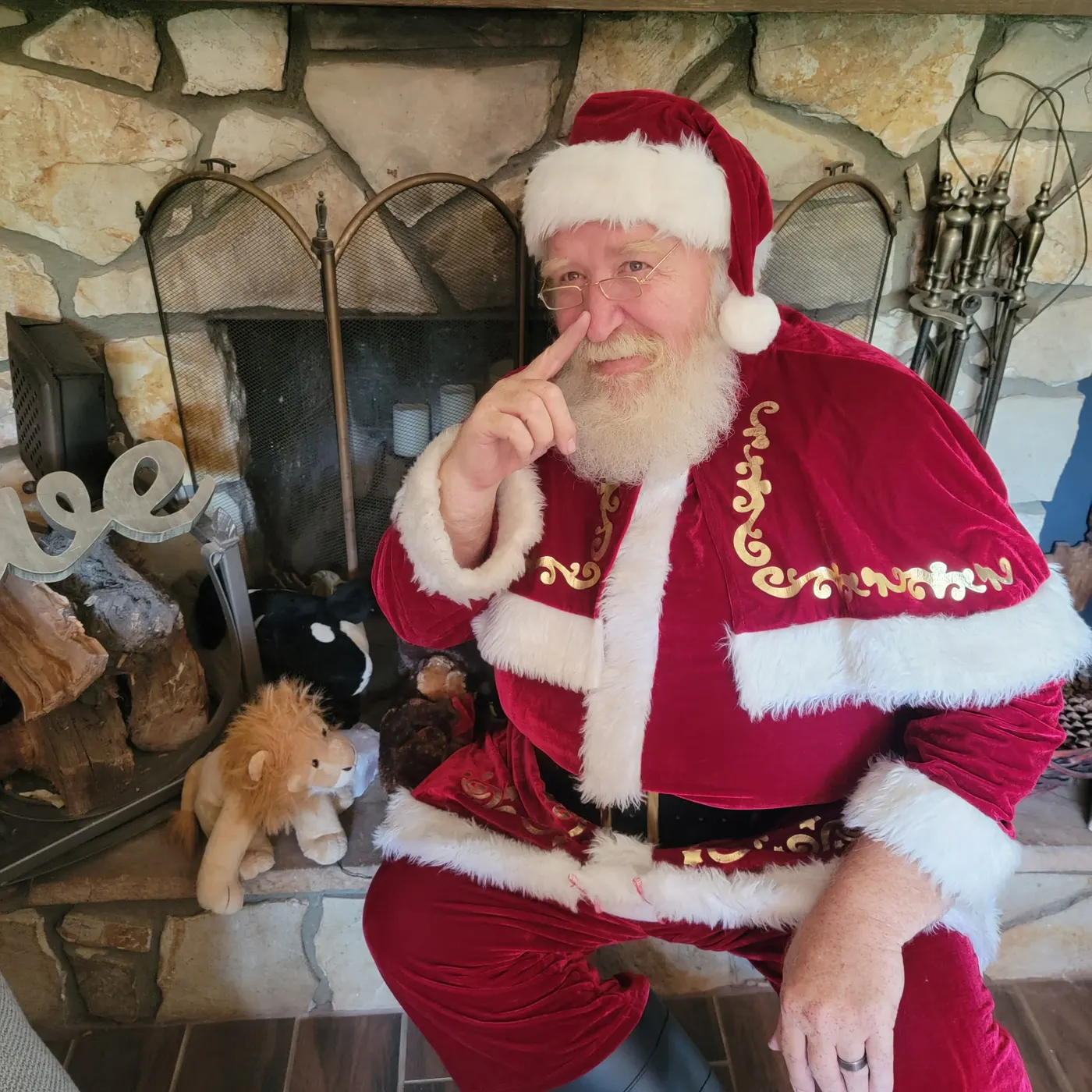
Living history sits alongside, not against, the theater of Renaissance faires. Faire performers mostly play characters and run shows for entertainment, a tradition that goes back to the first Renaissance Pleasure Faire in Southern California in 1963. Reenactors put research and demonstration first. Many events combine the two, with stage shows in one area and working camps in another.
Museums use the same tools. Archaeological open-air museums, which rebuild houses and workshops from excavated evidence, often rely on what the EXARC Journal calls live interpretation: a method for interpreting the past using live people. A costumed guide baking bread in a reconstructed house is doing the same work as a reenactor at a festival camp, just with a permanent set.
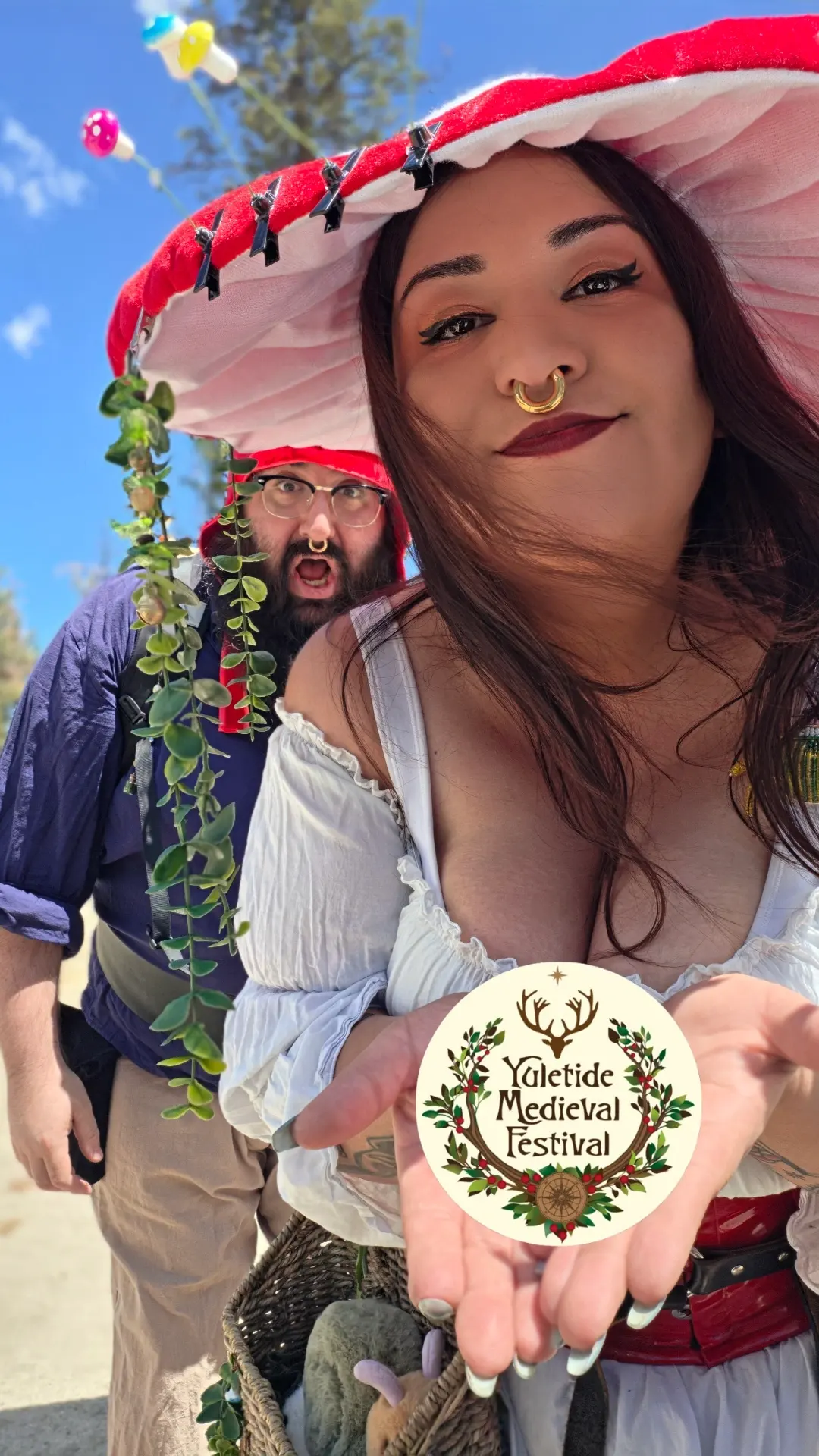
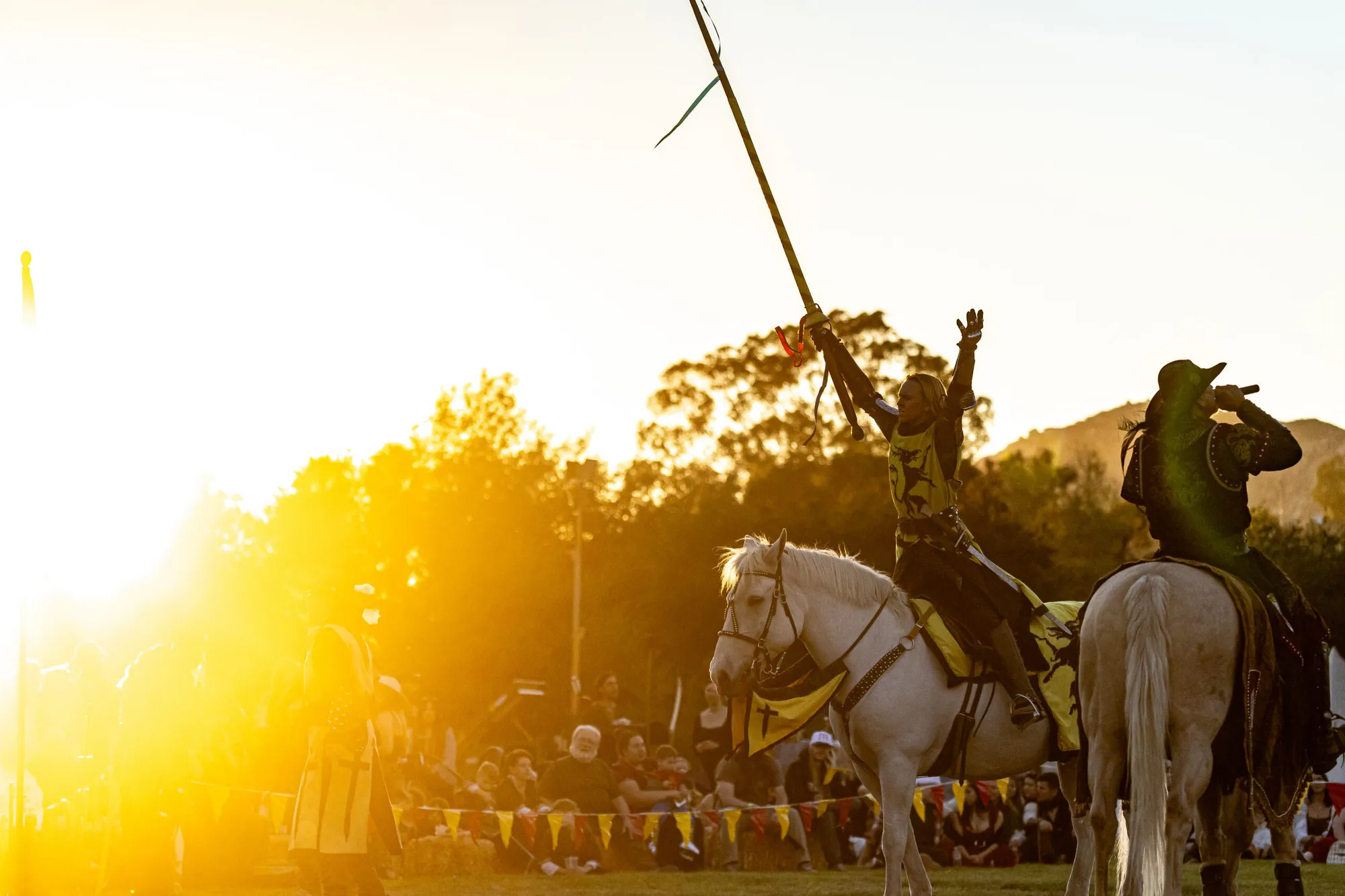
The Yuletide Medieval Festival in Lakeside, California, is one example of the mix: reenactor guilds set up encampments with historical demonstrations, guild members answer questions, and the guilds stage a daily battle pageant set in 1420.
How to get involved
If an encampment visit leaves you wanting more, there are several easy ways in.
- Talk to a group at an event. Ask how they recruit, what newcomers need and whether they lend gear.
- Try the SCA. Its Find Your Kingdom page lists local groups, it says events happen nearly every weekend of the year, and you do not need a membership to attend. Local officers called chatelaines or hospitallers welcome newcomers and can provide loaner clothing for a first event.
- Volunteer at a festival. Ask organizers whether they take volunteers; helping behind the scenes is a good way to learn who does what.
- Pick a period and read. Museum collection websites and costume history timelines make it easy to start researching clothing and objects for the period you love.
- Start small. A simple, accurate outfit and one skill, such as cooking, hand sewing or archery, is a better start than an expensive kit bought all at once.
Questions
What is the difference between living history and reenactment?
Living history is a broad term for recreating historical settings and the people in them, usually focused on daily life. Reenactment is the recreation of a specific historical event, most often a battle. Many medieval festivals include both.
Are reenactors actors?
Usually not. Many reenactors are hobbyists who research a period and recreate its clothing, crafts and combat. Some use first-person interpretation and speak as a character, while others explain the past in their own voices.
How do I start medieval reenactment?
Talk to groups at events, look up local chapters of organizations such as the Society for Creative Anachronism, and attend an event as a guest. The SCA says newcomers can attend without a membership and borrow clothing for a first event.
Can I ask reenactors questions?
Yes, that is what they are there for. Ask specific questions, ask before touching any object and give them room during demonstrations with fire, blades or bows.
Sources
- Museum Theatre Definitions, International Museum Theatre Alliance (IMTAL-Americas)
- What Is the SCA?, Society for Creative Anachronism
- How Did Renaissance Fairs Begin?, History.com (Lesley Kennedy)
- What Does Your Visitor Experience? Making the Most of Live Interpretation in a Unique Setting (Marc van Hasselt), EXARC Journal