A medieval Christmas started where ours ends. It came after weeks of Advent fasting, began on December 25 and ran for twelve days of feasting and games to Epiphany. There were no Christmas trees, cards, turkeys or reindeer-drawn Santa; those arrived between the 1500s and the 1800s.
The big differences at a glance
If you could step into an English manor at Christmas around 1420, much would feel familiar: greenery on the walls, music, a great feast and gifts. But the shape of the season and many of its symbols were different.
- Timing: medieval Christmas began on December 25 and lasted twelve days; today’s celebration builds for weeks and often ends on the 25th.
- Before the feast: Advent was a season of fasting, not of parties.
- Gifts: presents were given, but another round came on New Year’s Day, and lords gave gifts to the people who worked for them.
- Food: boar’s head, peacock, swan and meat-filled pies, not turkey.
- Decorations: holly, ivy, bay and mistletoe, and a Yule log, but no Christmas tree.
- Gift-bringer: St. Nicholas was a real saint with his own feast day, December 6, long before he became Santa Claus.
A fast first, then twelve days of feasting
Today the holiday season starts after Thanksgiving and peaks on Christmas morning. In medieval Europe, the weeks before Christmas were Advent, a time of preparation. According to the Christian History Institute, the Council of Tours in 567 asked people to fast during Advent and named the stretch from Christmas to Epiphany, January 6, a special season of feasting.
So Christmas Day was the beginning, not the climax. The Twelve Days that followed were the longest holiday of the year. As the World History Encyclopedia notes, many peasants were permitted by their lord to take the entire two weeks off. The season was filled with church feasts, games, music and mumming, with masked performers called mummers acting out short plays in streets and homes.
Gifts and who brought them
Medieval people did exchange gifts at Christmas. Lords gave bonuses to free laborers, children received simple toys, and the World History Encyclopedia notes another round of gift-giving on January 1. By Elizabethan times, New Year’s Day had become the main day for presents.
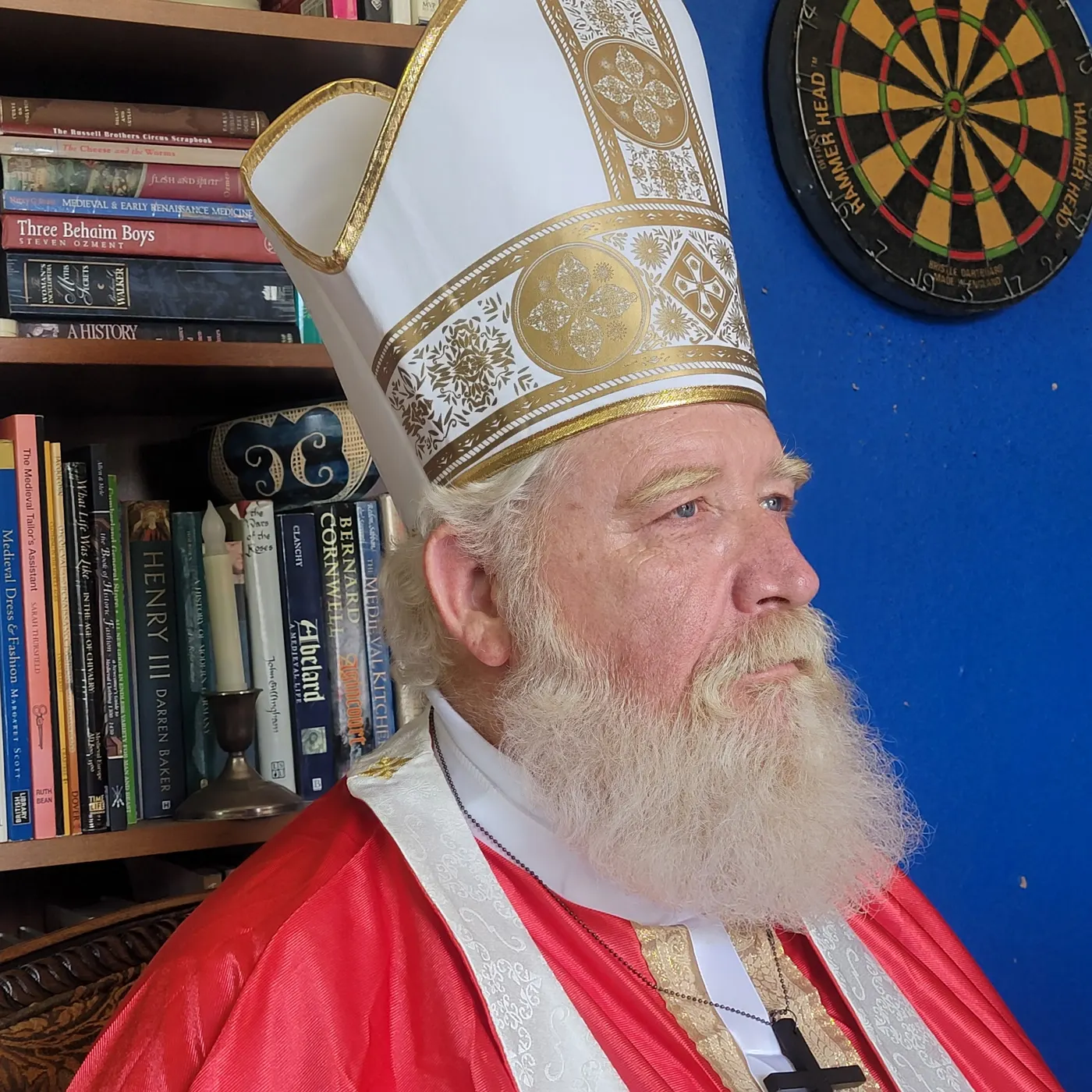
There was no Santa Claus. St. Nicholas, a fourth-century bishop of Myra in what is now Turkey, was honored on his own feast day, December 6, and was already the patron of children. The Catholic Encyclopedia notes that in Germany, Switzerland and the Netherlands he became a secret bringer of gifts to children, and that in the United States he was eventually identified with Santa Claus.
The jolly Santa with a sleigh and reindeer is American and much later. The poem A Visit from St. Nicholas, first published anonymously in the Troy Sentinel in New York on December 23, 1823, gave him his reindeer-drawn sleigh, his trip down the chimney and his description as a right jolly old elf.
What was on the table
The great centerpiece of an elite medieval Christmas was not a turkey. English Heritage calls the boar’s head the heart of the medieval feast for England’s elite. Peacocks were served with their skin and feathers put back on so they looked alive, and swans and peacocks roasted in their feathers appear in accounts of grand feasts.
Mince pies existed, but not as we know them: English Heritage notes that the traditional Christmas mince pie originally contained minced meat and suet. Turkey could not have been on a 1420 table at all. The bird is native to North America, and according to the Game and Wildlife Conservation Trust, the first turkeys are believed to have reached Britain in 1526. It became a Christmas staple only gradually, centuries later.
Decorations: greenery, candles and the Yule log
Medieval homes and churches were decorated with holly, ivy and bay, and the World History Encyclopedia notes that a double ring of mistletoe was the centerpiece of many homes. A Yule log was lit on Christmas Eve and kept burning through the twelve days.
There was no Christmas tree. The decorated tree is a German custom that reached the British royal court late: Queen Charlotte, the wife of George III, is credited as the first British royal to have one, a yew rather than a fir. Prince Albert, Queen Victoria’s husband, popularized it, and in 1848 the Illustrated London News printed an engraving of the royal tree at Windsor, which helped spread the custom. Trees gradually replaced the old rings of mistletoe.
Cards, carols and other modern additions
Several things we think of as timeless Christmas traditions are Victorian or later.
- Christmas cards: the first was commissioned in 1843 by Henry Cole, later the first director of what is now the Victoria and Albert Museum, with a design by John Callcott Horsley; a thousand copies were printed.
- Christmas trees in British homes: spread in the mid-1800s after the 1848 royal engraving.
- Santa’s sleigh and reindeer: from the 1823 poem A Visit from St. Nicholas.
- Turkey dinners: the bird reached Britain in the 1500s and became a Christmas staple only gradually.
- Carols, by contrast, are old: medieval feasts were followed by singing, including carols.
What survives from medieval Christmas
Plenty of medieval Christmas is still with us. Evergreens on the mantel, mince pies, carols, the Twelve Days and the idea of a long feast with family all reach back to the Middle Ages. St. Nicholas still has his feast day on December 6, and in parts of Europe he long remained the one who brought children their treats.
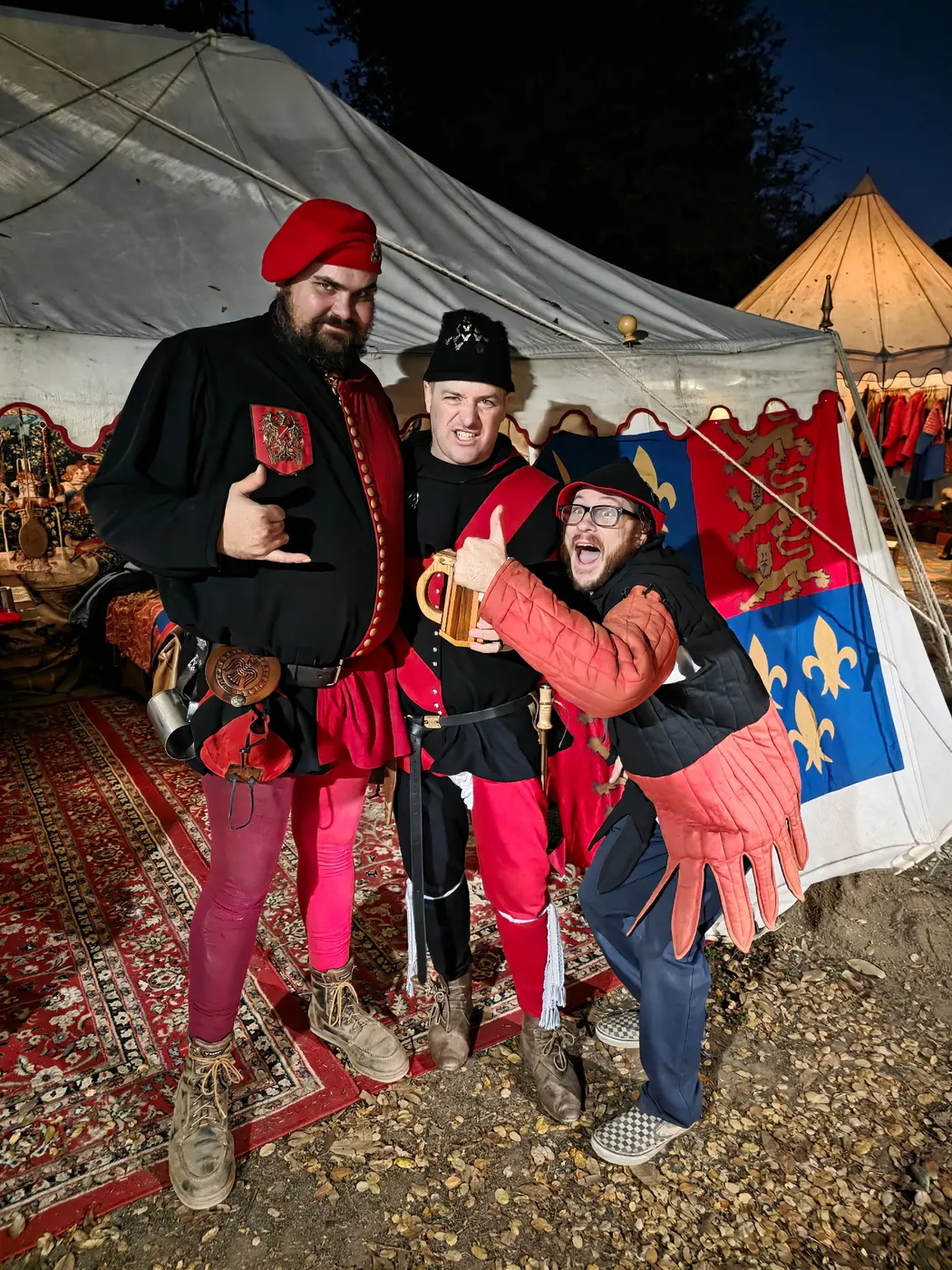
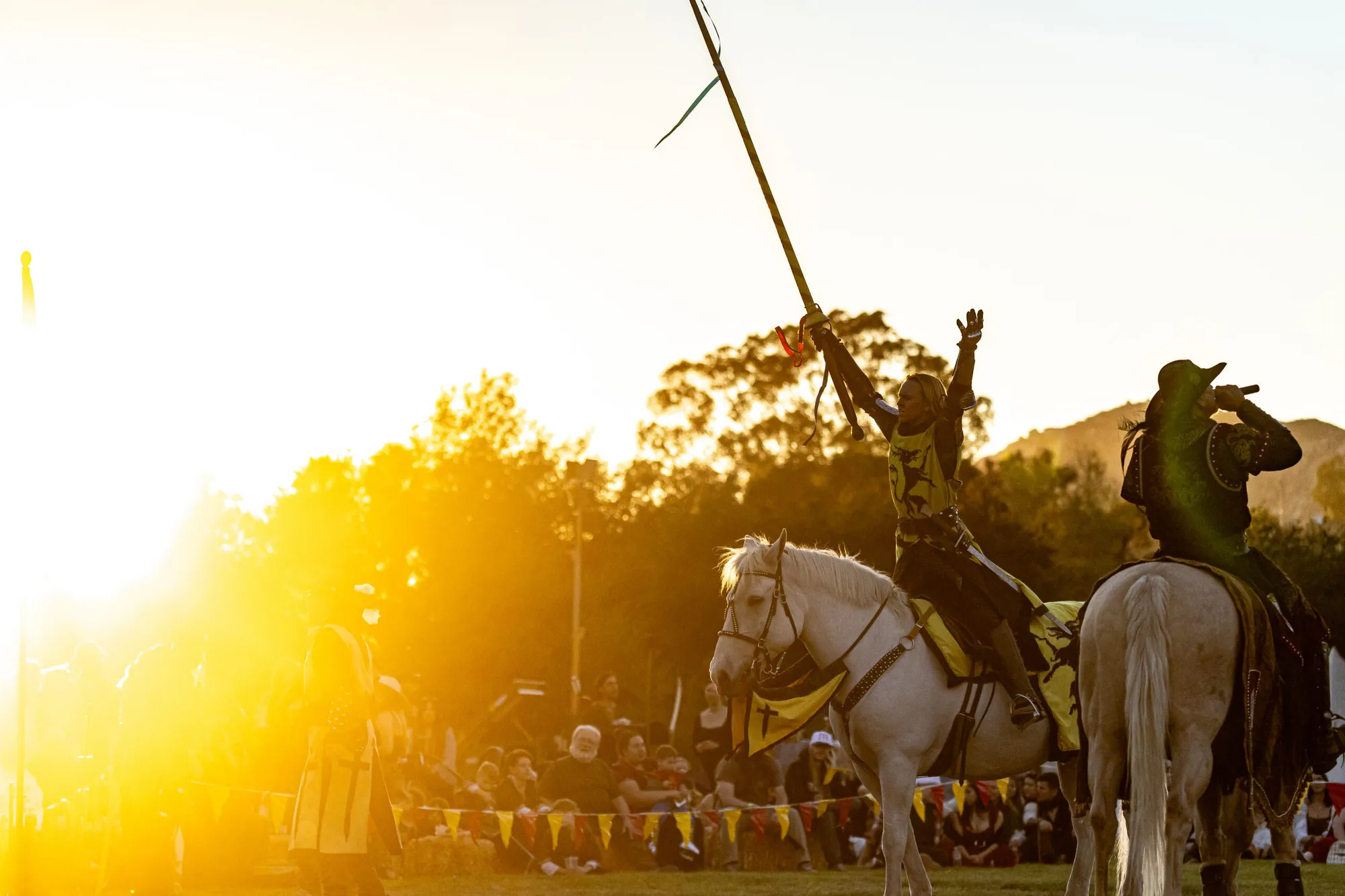
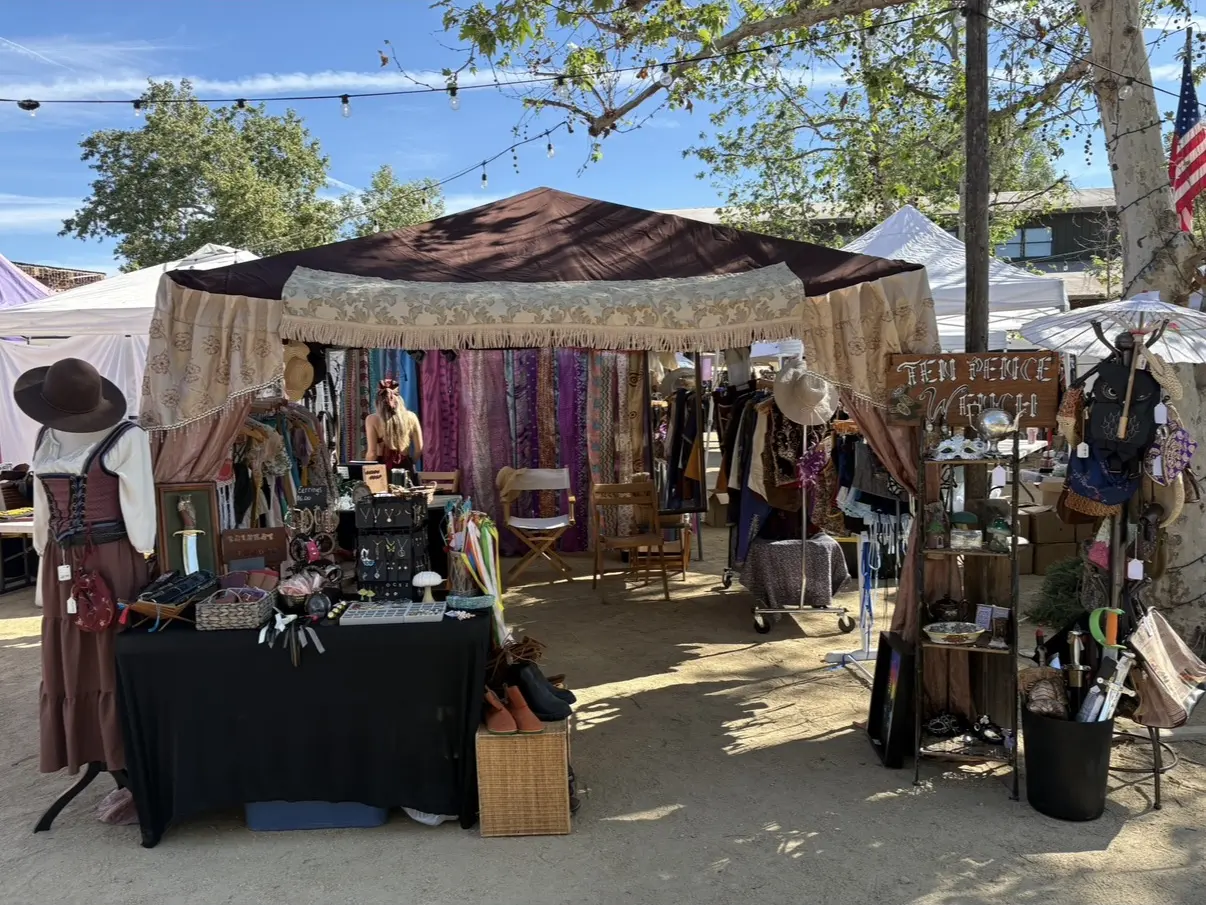
If you want to see these traditions in person, some festivals recreate them. The Yuletide Medieval Festival in Lakeside, California, is set in England in 1420 and brings St. Nicholas in his bishop’s mitre together with Father Christmas and Krampus, along with a five-course St. Nicholas Day Feast. For more on individual customs, from wassail to the Lord of Misrule, explore our medieval Christmas traditions.
Questions
How long did medieval Christmas last?
Twelve days, from Christmas Day to Epiphany on January 6, with sources counting the end either at Twelfth Night on January 5 or at Epiphany itself. Many peasants had the whole period off work.
Did medieval people have Christmas trees?
No. Medieval homes were decorated with holly, ivy, bay and mistletoe. The Christmas tree spread in Britain in the 1800s, helped by an 1848 engraving of Queen Victoria and Prince Albert’s tree.
What did people eat at a medieval Christmas?
Among the wealthy, the boar’s head was the centerpiece, along with roast peacock or swan and pies, including mince pies made with real minced meat. Turkey did not reach Britain until the 1500s.
Did medieval people give Christmas presents?
Yes, but differently. Lords gave gifts to their workers, children received simple toys and there was another round of gifts on New Year’s Day. Santa Claus did not exist; St. Nicholas had his own feast day on December 6.
Sources
- A Medieval Christmas (Mark Cartwright), World History Encyclopedia
- Christmas Food: The Medieval Way, English Heritage
- Twelve Days of Christmas, Christian History Institute
- The first Christmas card, Victoria and Albert Museum
- How Queen Victoria Celebrated Christmas, World History Encyclopedia
- Turkey (Species of the Month), Game and Wildlife Conservation Trust