The short answer: a Renaissance faire is usually set in Elizabethan England in the late 1500s and runs on theater and improvised street characters, while a medieval festival is set earlier, before about 1500, and often leans on living history and reenactors. In practice the labels overlap, so the year an event is set in tells you most.
The quick answer
Both kinds of event put you among knights, minstrels and market stalls, so it is easy to treat the names as interchangeable. The real differences are when the event is set, who is on stage, and how much it is trying to recreate the past versus play with it.
- Period: Renaissance faires usually recreate the late 1500s, most often England under Elizabeth I. Medieval festivals are set earlier, anywhere from the early Middle Ages to the 1400s.
- Feel: Renaissance faires lean on theater, comedy and roaming characters. Medieval festivals often emphasize reenactors, encampments and demonstrations.
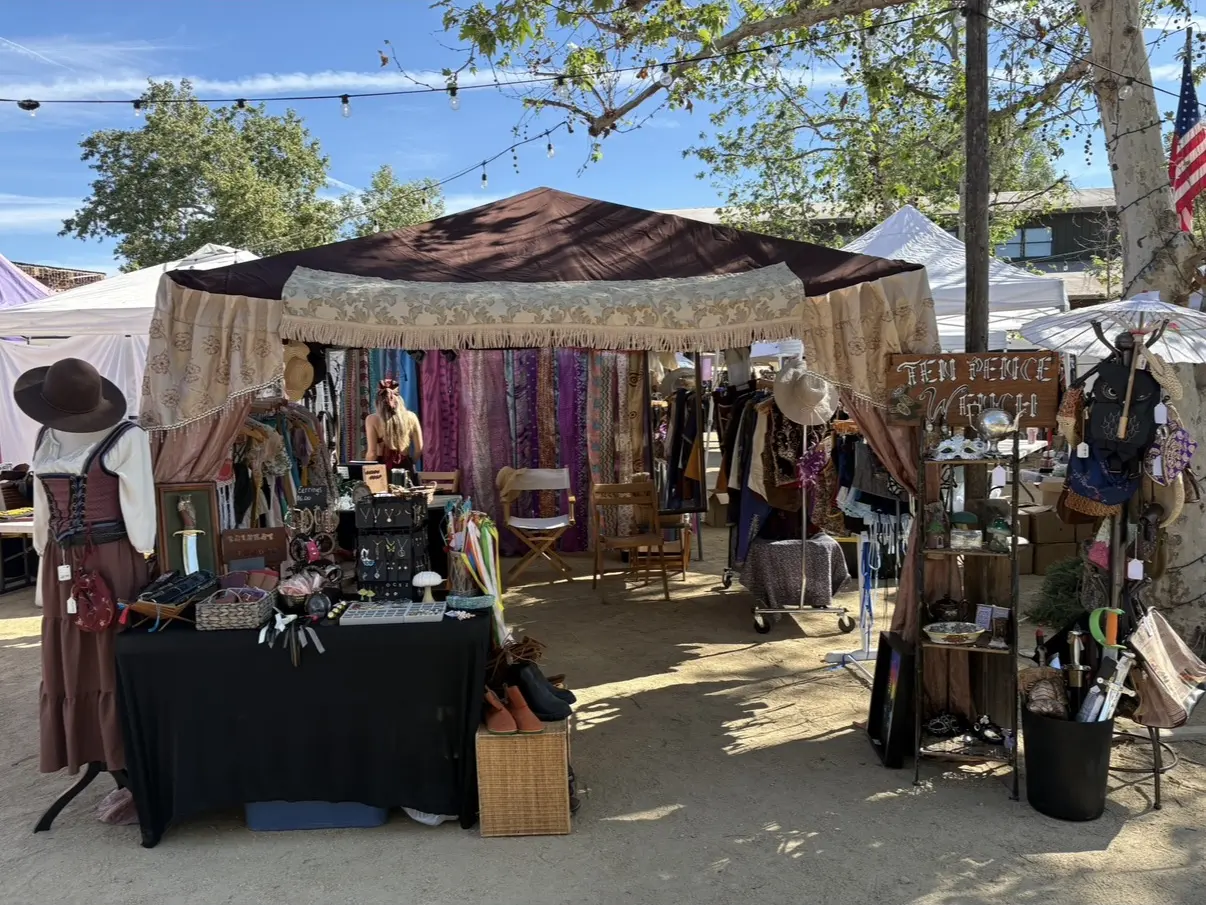
- Look: Renaissance faire clothing tends toward bodices, ruffs and doublets of the 1500s; medieval clothing runs to long gowns, hoods and tunics.
- Combat: both feature knights, but medieval events are more likely to stage a historical battle with armored reenactors.
Two different centuries: 1420 vs. the 1580s
A good way to see the gap is to compare two English rulers. Henry V reigned from 1413 to 1422. He fought the French at Agincourt in 1415, and in 1420 the Treaty of Troyes recognized him as heir to the French throne and he married Catherine, daughter of the French king. He died of dysentery in France in 1422. That is solidly late medieval England.
Elizabeth I came to the throne in 1558 and reigned until 1603. Hers is the England most Renaissance faires recreate, and between Henry V’s death and her accession lie more than 130 years and several reigns.
The two worlds even meet on stage. Shakespeare wrote his history play Henry V in the first half of 1599, during Elizabeth’s reign. To an Elizabethan audience, Henry V was a hero from nearly two centuries earlier, already the stuff of history books. So a festival set in 1420 is not the Renaissance with different hats; it is the world the Renaissance looked back on.
Where the Renaissance faire came from
The modern Renaissance faire is a California invention. In May 1963, teacher Phyllis Patterson and her husband Ron staged a two-day fundraiser for radio station KPFK at a summer camp in North Hollywood. According to History.com, it had about 60 booths and costumed performers and drew more than 3,000 people a day. The organizers stressed Elizabethan life, and the faire grew into the Renaissance Pleasure Faire, which still runs in Southern California.
By the 1970s similar faires had spread across the country, and History.com counts more than 200 that now run in the United States each year. Most share the original’s Elizabethan market-day setting, though many mix in knights, pirates and fantasy characters freely.
Living history vs. theater
The deeper difference is often style. Museum professionals use a few terms that help here. The International Museum Theatre Alliance describes living history as a broad term for recreated historical environments and the people who work in them. In first-person interpretation, the interpreter plays a character; in third-person interpretation, they speak in their own voice about the past. Reenactment means recreating a specific event, such as a battle.
Renaissance faires are, at heart, outdoor theater. Performers play characters, banter with visitors and run shows on stages through the day. Historical accuracy matters to many participants, but entertainment comes first, and anachronism is part of the fun.
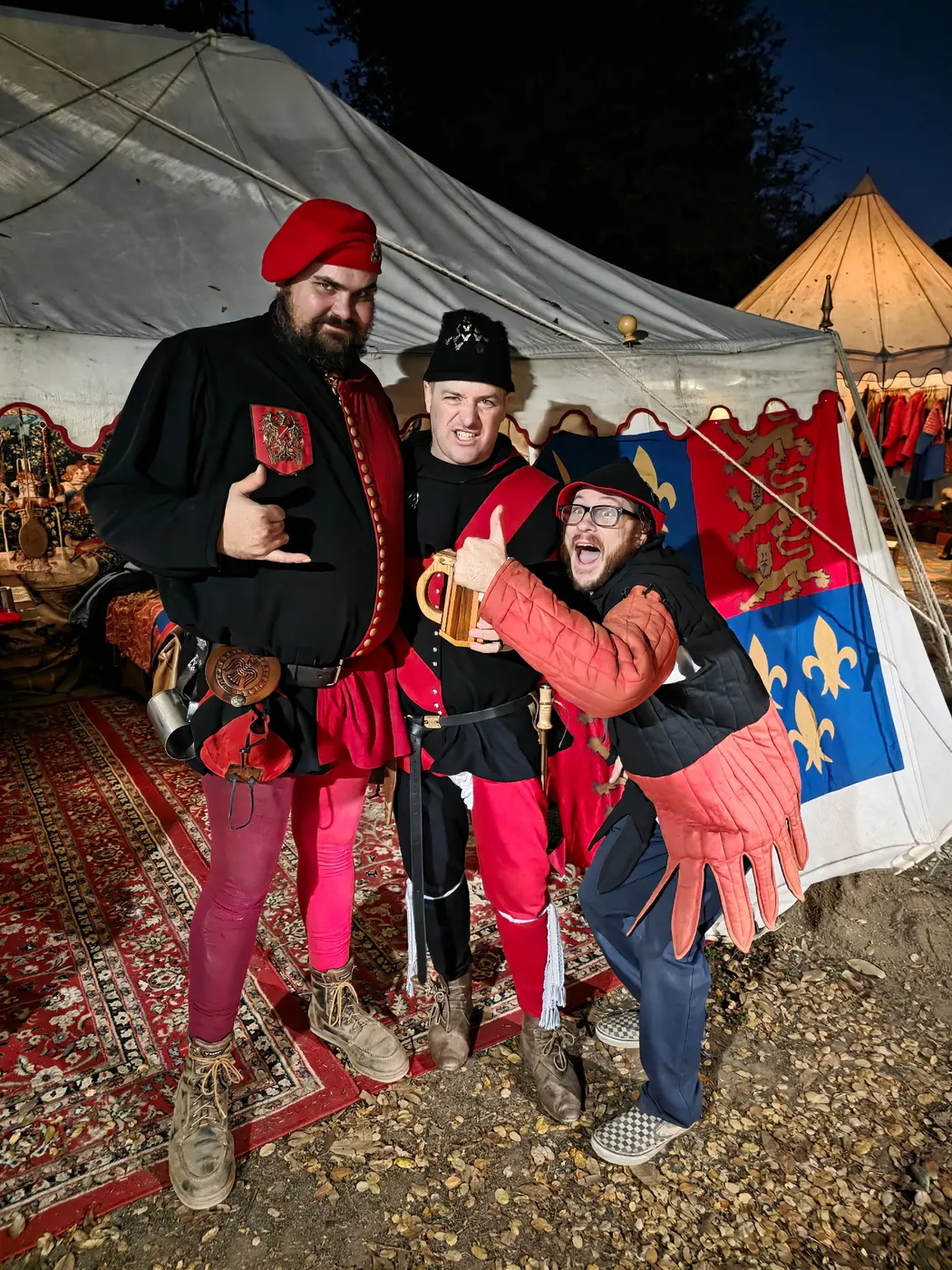
Medieval festivals more often rely on reenactors, hobbyists who research a period and recreate its clothing, crafts and combat. You may find encampments where people cook, forge, sew or maintain armor, and who will step out of character to explain what they are doing. Battles are usually staged recreations of real or typical fights rather than comic duels.
What people wore: 1420 vs. the late 1500s
Clothing is the fastest visual clue. According to the Fashion History Timeline from the Fashion Institute of Technology, fashionable people in the 1410s and 1420s wore the houppelande, a long, belted outer gown with a high neck and long sleeves, often fur-lined, worn by men and women alike. Men wore a fitted, padded doublet with long hose laced to it, and wrapped their heads in a draped hood called a chaperon. Women wore a fitted gown over a linen chemise and dressed their hair in padded rolls and veils.
Elizabethan dress, a century and a half later, looks quite different: whalebone-stiffened bodices and wide farthingale skirts for women, trunk hose for men, and ruffs at the neck for both. If the costumes at an event are mostly ruffs and corsets, you are at a Renaissance faire; long hooded gowns and tunics point to an earlier setting.
How to tell which you are getting
Labels are loose, so read the event’s own description before you go. Look for these clues:
- A named year or ruler: an event set in 1420 under Henry V is medieval; one set in the 1580s under Elizabeth I is Renaissance.
- Guilds and encampments: a list of reenactor groups suggests a living history focus.
- A show schedule full of comedy acts and stages suggests a theater-first faire.
- A named battle: a reenacted historical battle signals a reenactment-heavy event.
- The season: most Renaissance faires run in spring through fall; medieval Christmas events run in December.
Which should you choose?
If you love comedy, pageantry and a party atmosphere, a Renaissance faire is a great fit. If you are curious about how people actually lived, fought and celebrated before 1500, look for a medieval festival with encampments and demonstrations, and plan time to talk with the reenactors.
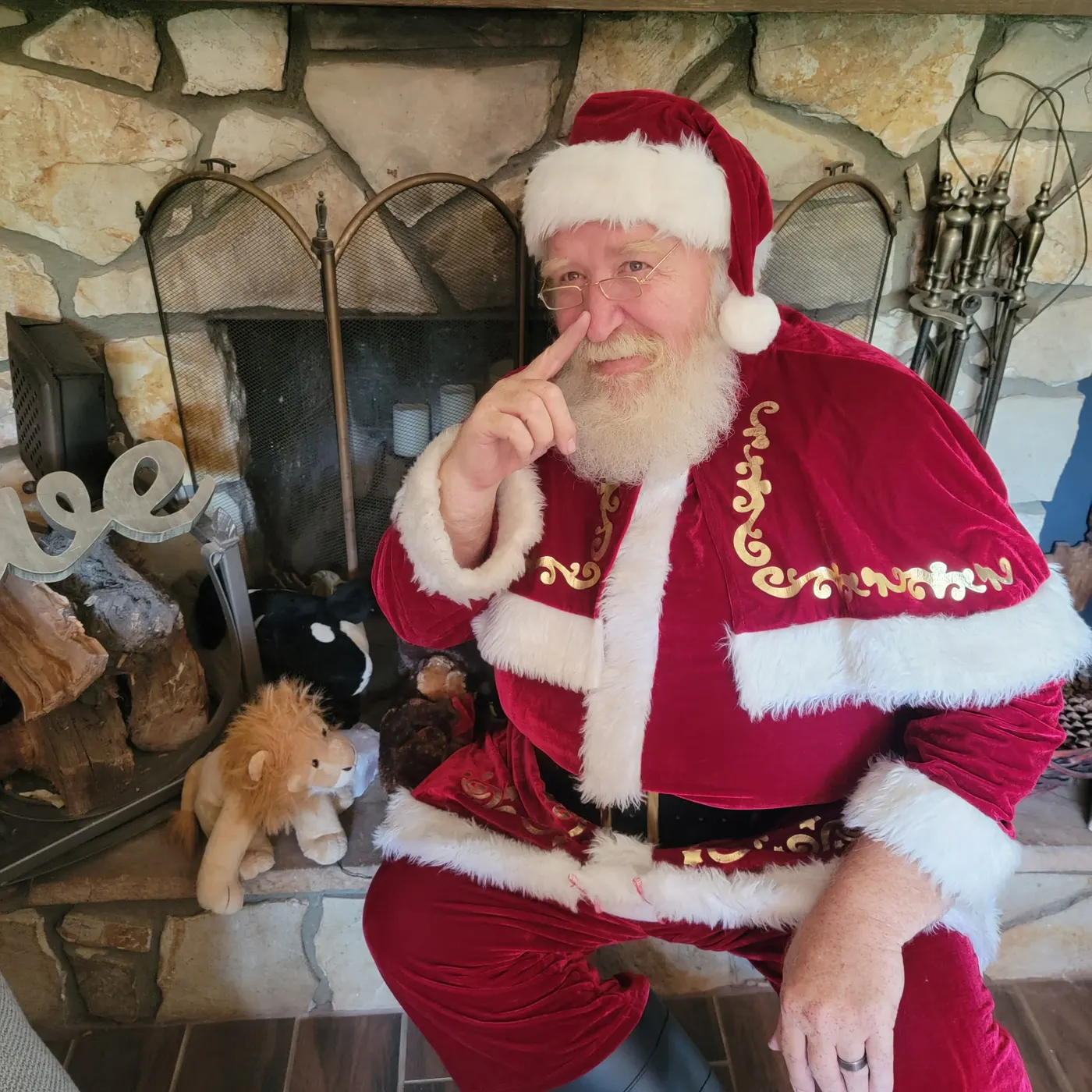
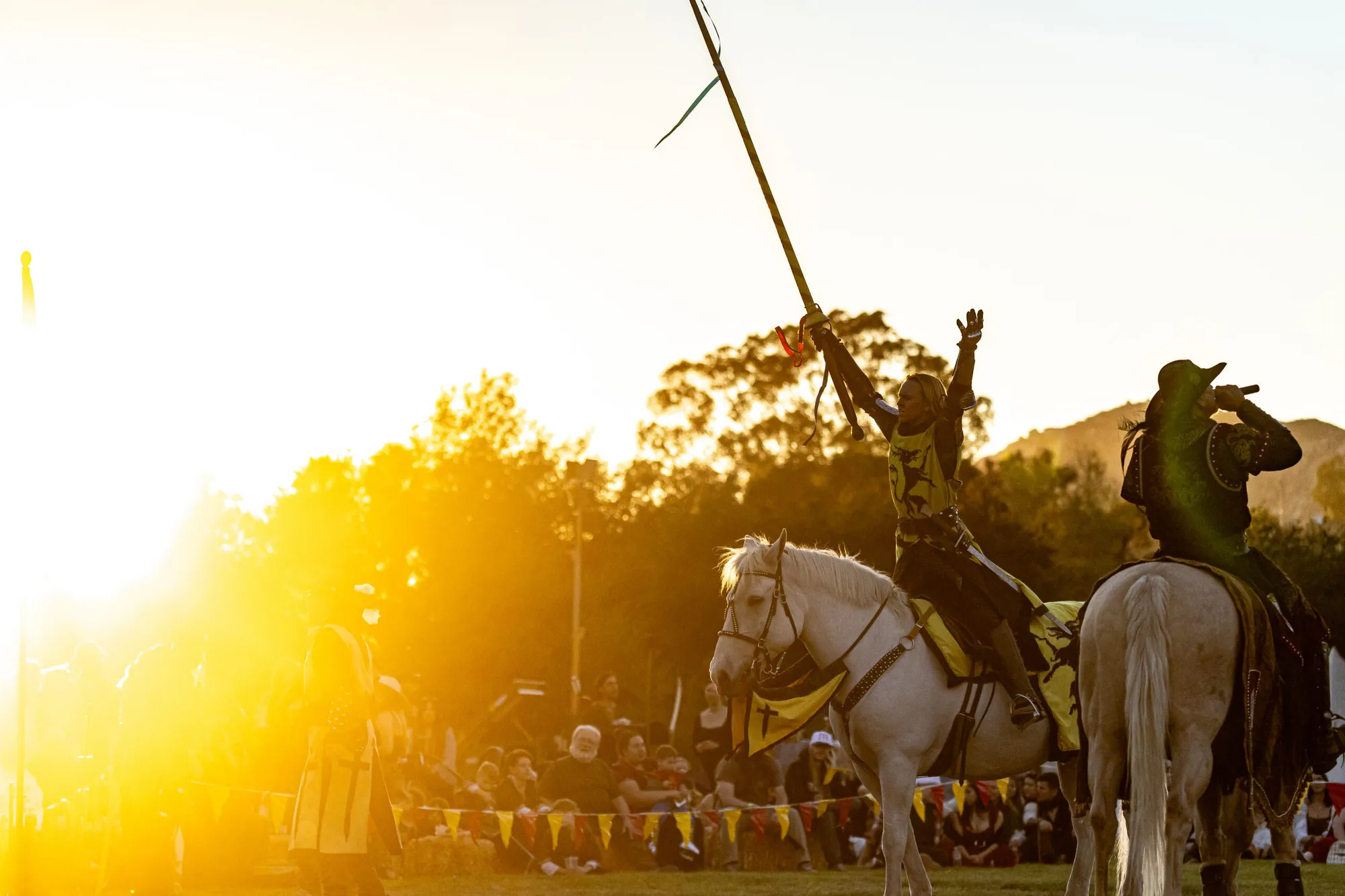
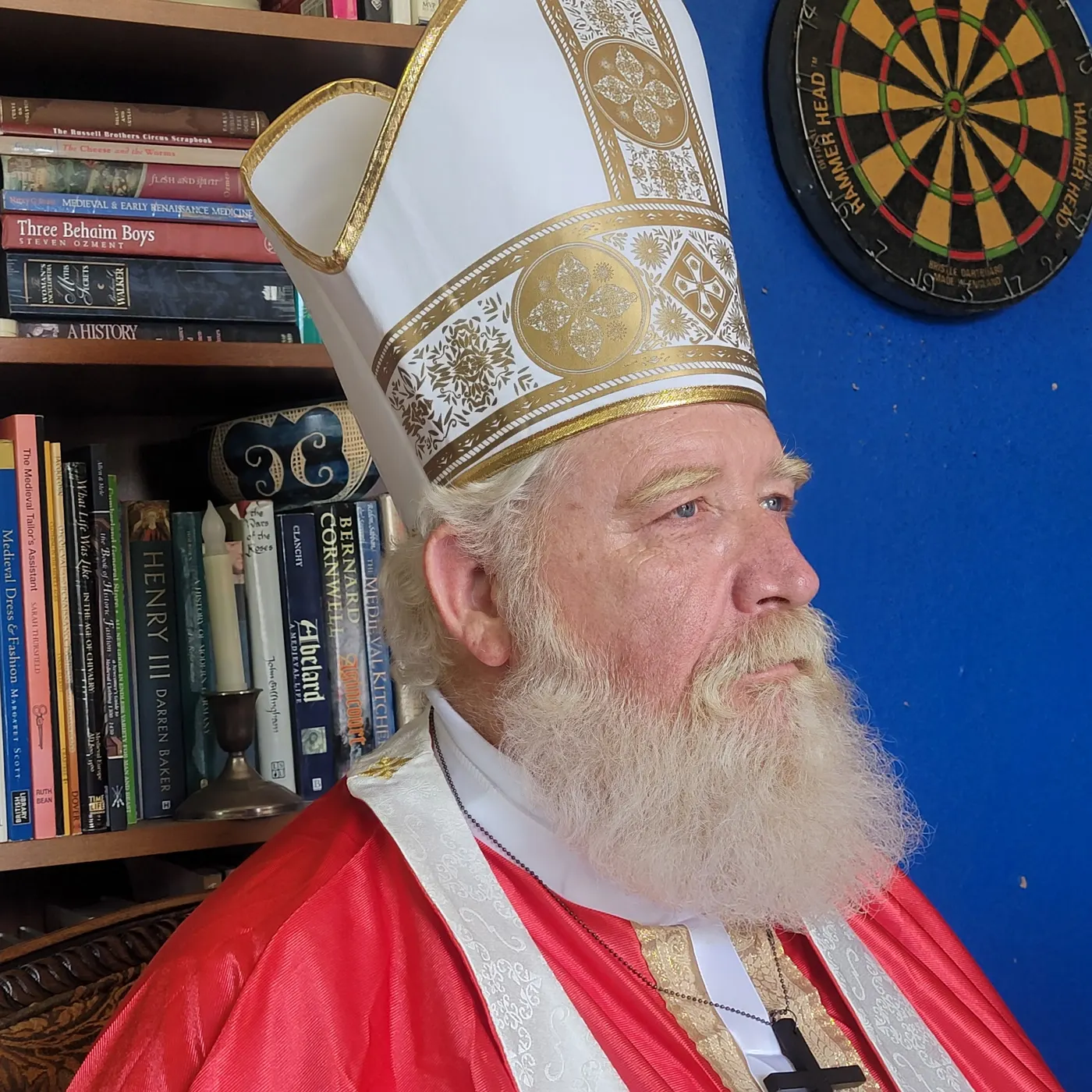
For example, the Yuletide Medieval Festival in Lakeside, California, is set in England in 1420, near the end of Henry V’s reign. It mixes both styles: jousting and a daily battle pageant alongside reenactor guild encampments where members answer questions, all with medieval Christmas characters such as St. Nicholas and Father Christmas.
Many people enjoy both. The costumes overlap enough that a simple tunic or gown works at either, and the habits of a good visitor are the same: walk slowly, ask questions and stay for the shows.
Questions
Is a Renaissance faire medieval?
Not strictly. Most Renaissance faires are set in the late 1500s, in Elizabethan England, which comes after the Middle Ages. Many faires still include knights and jousting, which is why the two get blurred.
What period is a medieval festival set in?
Anywhere in the Middle Ages, roughly from the early medieval centuries up to about 1500. Many festivals pick a specific year or reign; a 1420 setting, for example, falls in the reign of Henry V.
Was Henry V a Renaissance king?
No. Henry V reigned from 1413 to 1422, in the late Middle Ages. He became famous to Renaissance audiences through Shakespeare’s play Henry V, written in 1599, during the reign of Elizabeth I.
What is the difference between living history and reenactment?
Living history is a broad term for recreating historical settings and daily life, often with costumed interpreters who explain the past. Reenactment usually means recreating a specific event, such as a battle.
Sources
- Henry V, The Royal Family (royal.uk)
- Elizabeth I, The Royal Family (royal.uk)
- Henry V (play), Folgerpedia, Folger Shakespeare Library
- How Did Renaissance Fairs Begin?, History.com (Lesley Kennedy)
- 1420-1429 (Fashion History Timeline), Fashion Institute of Technology
- Museum Theatre Definitions, International Museum Theatre Alliance (IMTAL-Americas)