Use a fast shutter for jousting, plan around a sunset near 4:40 pm, switch on your phone’s night mode for after-dark scenes, and always ask reenactors before taking close portraits.
The essentials
- For jousting and the battle pageant, use a fast shutter speed or your phone’s burst mode.
- Shoot people and costumes in the soft light of the late afternoon, before sunset at about 4:40 pm.
- After dark, use your phone’s night mode for still scenes and hold steady.
- Ask before close portraits of reenactors, performers and other visitors, especially children.
- Bring a spare battery or power bank. There is no cell signal at the park, so nothing will upload until you leave.
Jousting and the battle pageant
Horses at speed and swinging weapons are the hardest subjects at a medieval festival. Nikon’s guidance is that the shutter speed must be relative to the action: something like a child on a bike may freeze at 1/250 second, fairly fast motion needs about 1/500, and very fast subjects can need 1/1000 or more. A charging horse is fast, so start at 1/1000 if the light allows and raise ISO to compensate.
If you want a sense of speed instead, try panning: follow the rider with the camera during a slower exposure so the background blurs and the rider stays sharper. Nikon’s advice for panning is simple: take a lot of shots. On a phone, hold the shutter or use burst mode and pick the best frame later.
Find your spot early, keep behind any barriers, and don’t use flash on horses or performers mid-action. Anticipate the moment of impact by focusing on the point where the riders will meet.
Working with low winter light
In early December the sun stays low all day. The U.S. Naval Observatory gives sunrise in Lakeside at about 6:35 am and sunset at about 4:41 pm on December 5, 2026, with civil twilight ending around 5:08 pm. Midday light can be harsh with deep shadows under helmets and hoods, so look for open shade for faces. The hour before sunset gives warm, flattering light on fabric, armor and faces.
On Saturdays the festival runs until 8 pm, so you also get after-dark scenes. Fast-moving subjects will blur in low light; save the evening for atmosphere, lit stalls and posed portraits.
Phone night modes
- iPhone: Apple says Night mode turns on automatically in low light; its icon turns yellow. Hold the phone steady until the capture finishes, or rest it on something solid. Flash and Live Photos switch Night mode off.
- Google Pixel: Night Sight turns on automatically in low light in Photo or Portrait mode, or you can pick it in the mode carousel. Hold still for a few seconds while it captures. It doesn’t work while the flash is on.
- Night modes need a still subject. Ask your portrait subject to hold the pose for a moment.
- Wipe your lens: smudges flare badly around lights at night.
Portraits of reenactors and performers
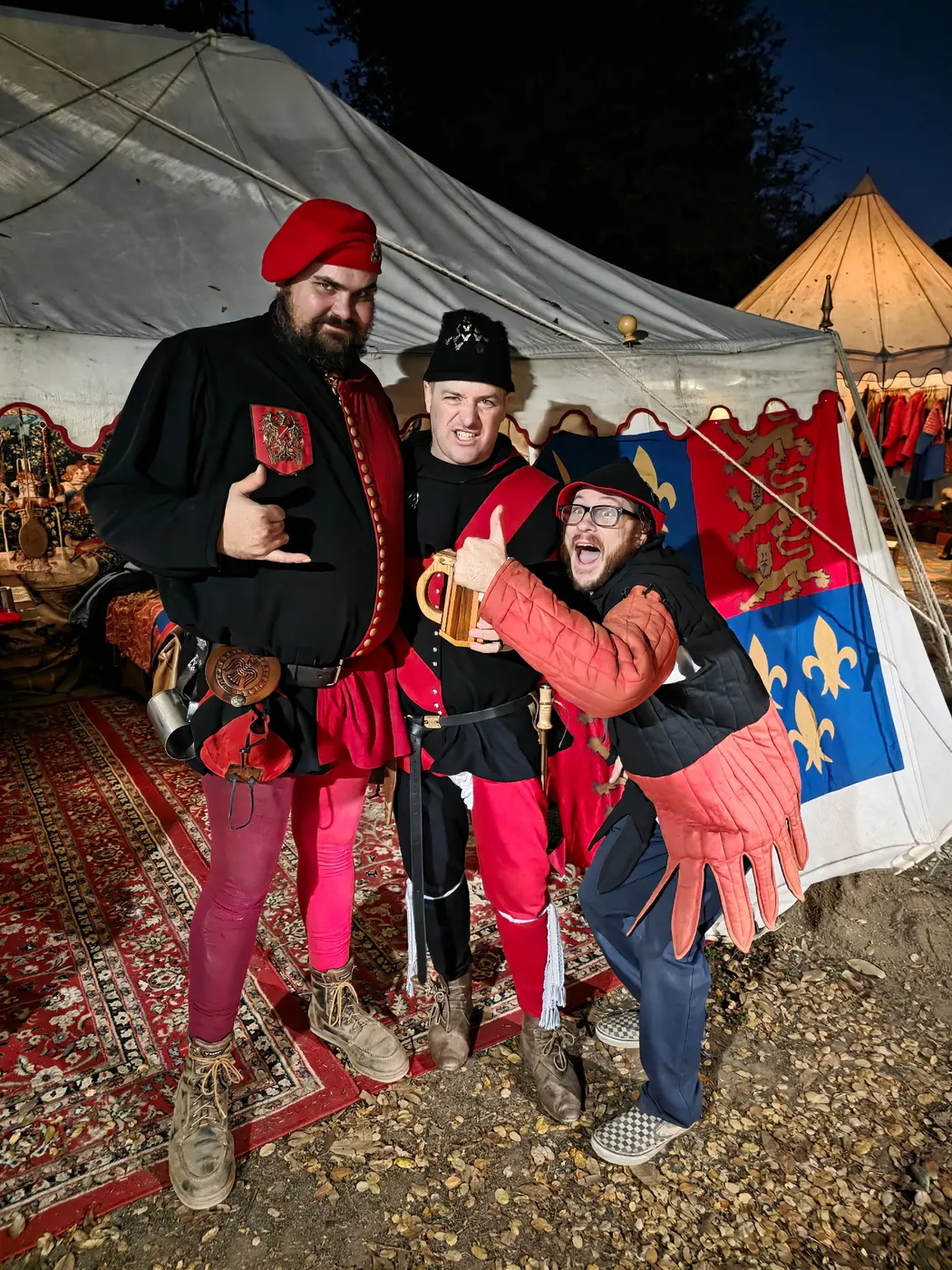
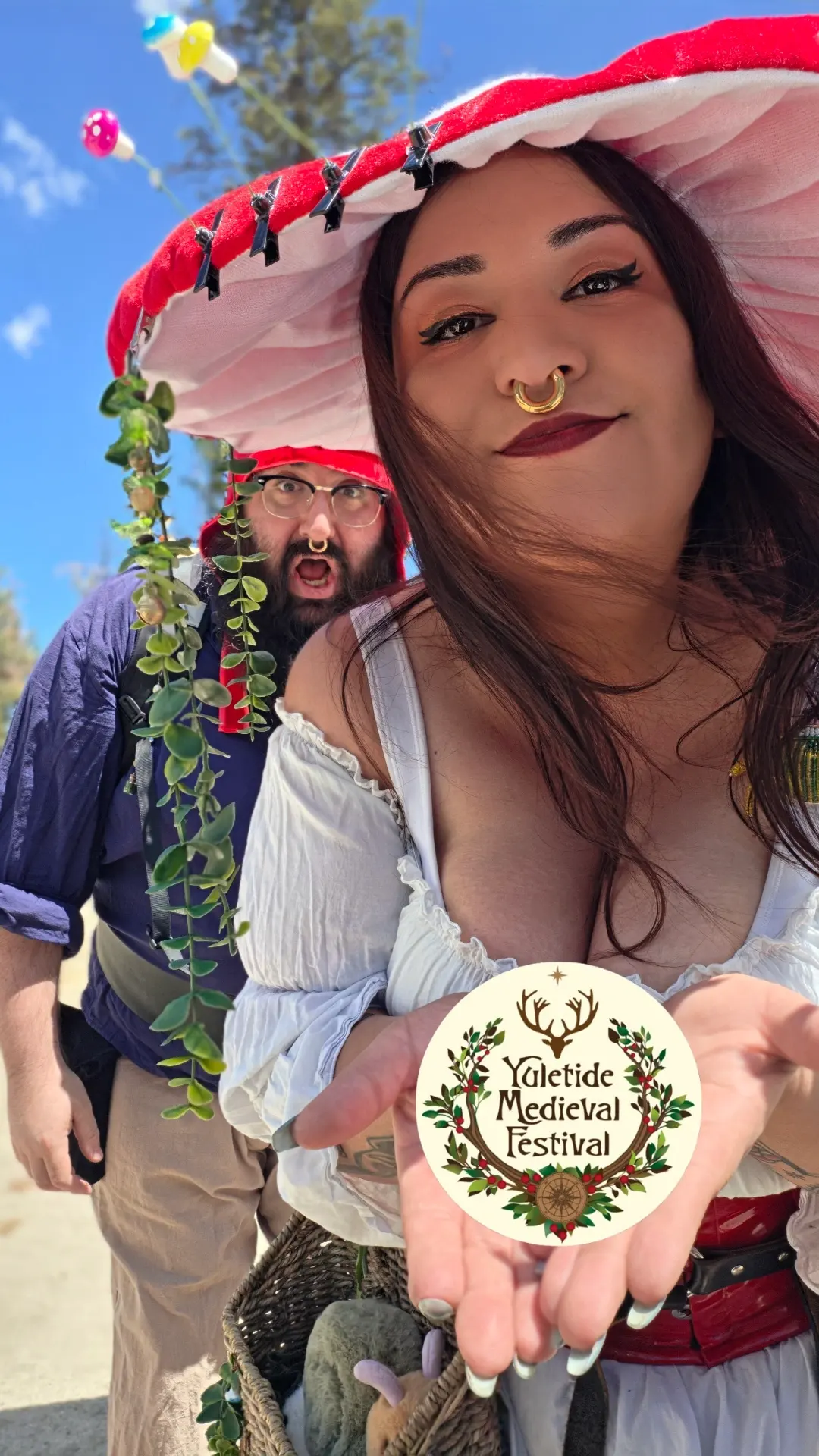
The guild members, knights and characters are part of the experience, and most are happy to pose. Still, ask first, every time you want a close or posed portrait. A simple “May I take your photo?” is enough. If someone is in the middle of a demonstration, cooking or resting, wait for a natural pause or move on.
Asking usually gets you a better picture anyway: your subject can face the light, hold a tool or weapon the way it was meant to be held, and tell you what it is. Thank them, and if they’re in an encampment, stay a moment to ask a question about what they do.
Be especially careful with other visitors’ children. Get a parent’s permission before photographing someone else’s child, and avoid posting identifiable photos of strangers without their consent.
Details worth photographing
- Hands at work in the guild encampments.
- Armor, heraldry and horse tack up close (ask first).
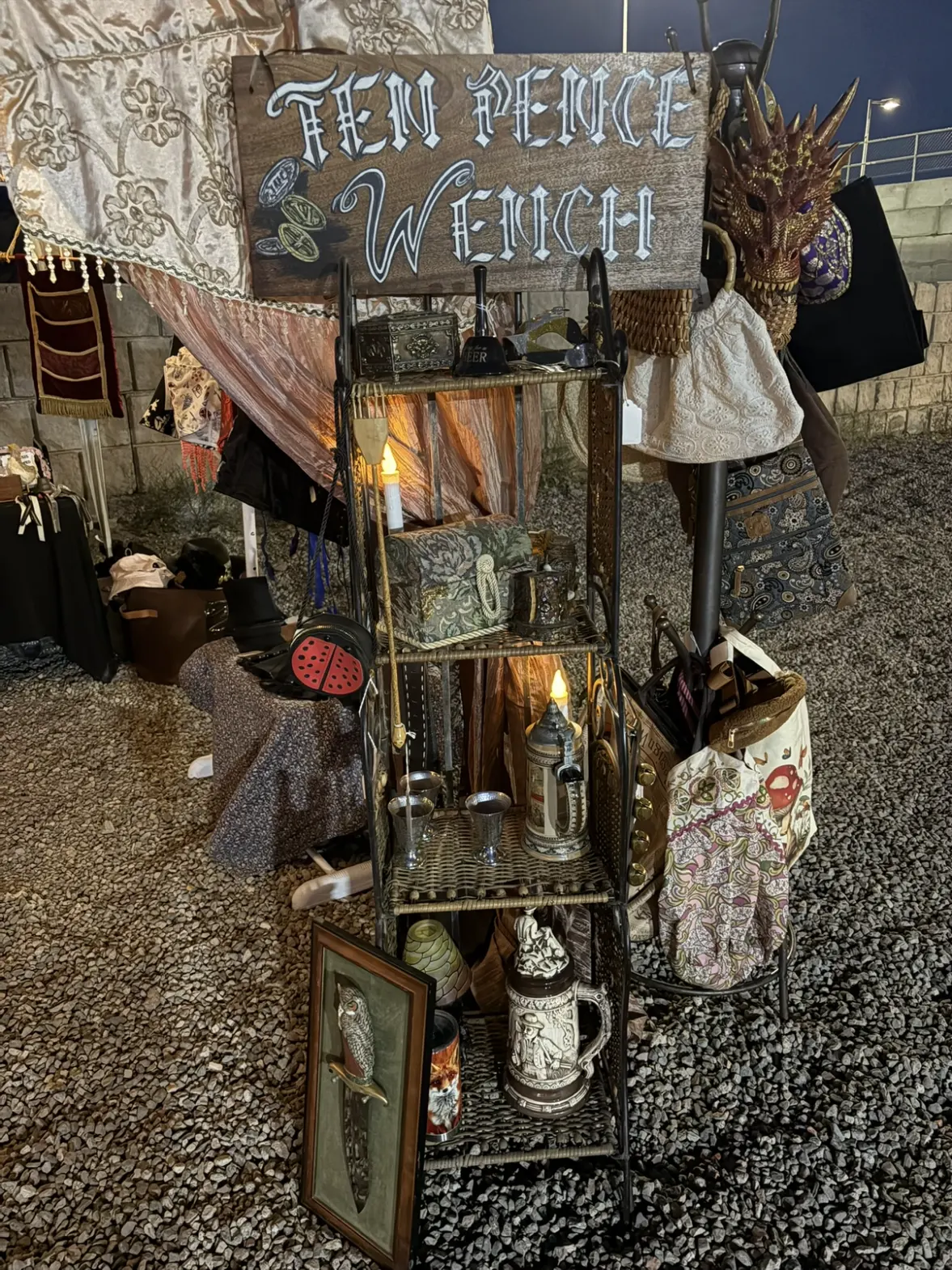
- Marketplace wares and shop signs.
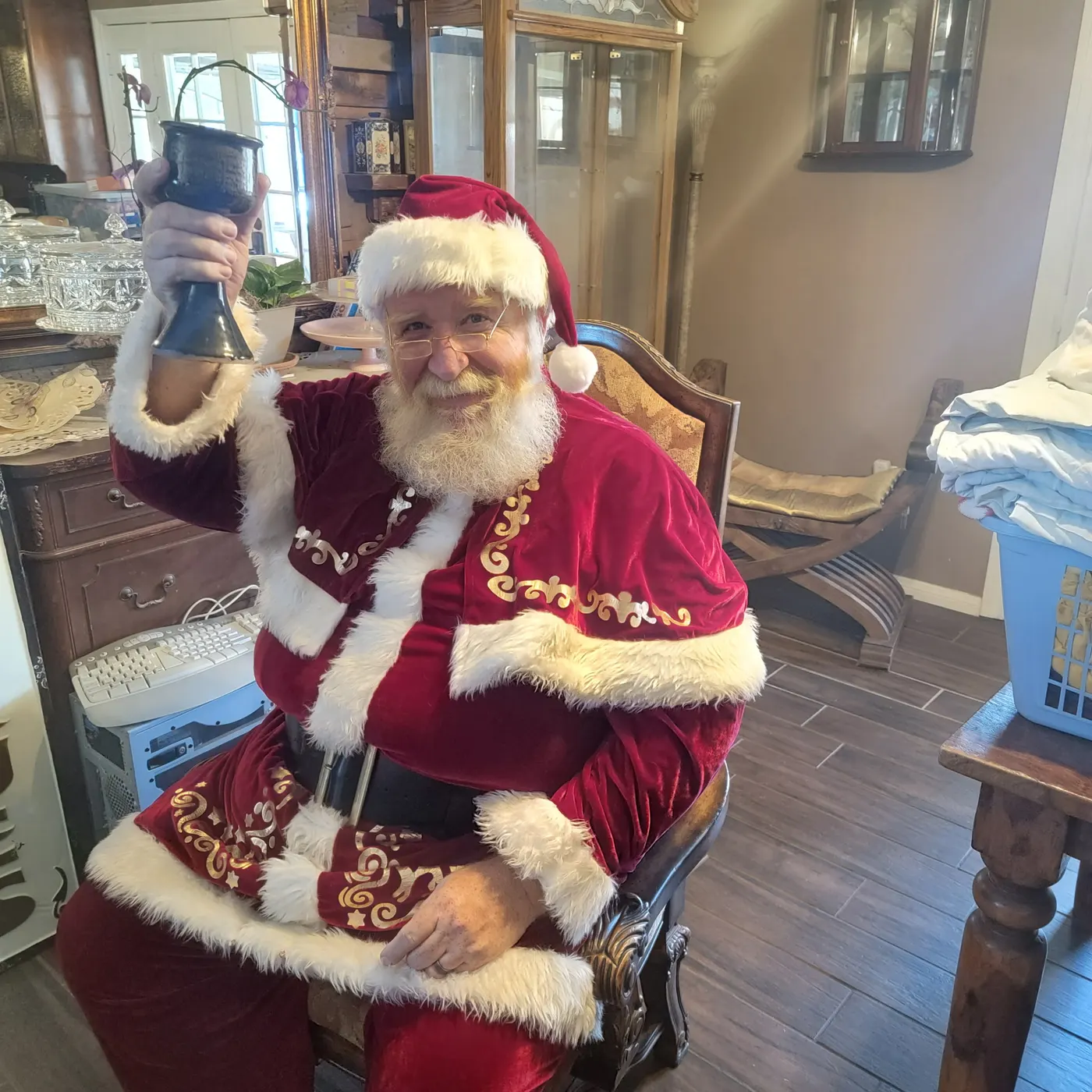
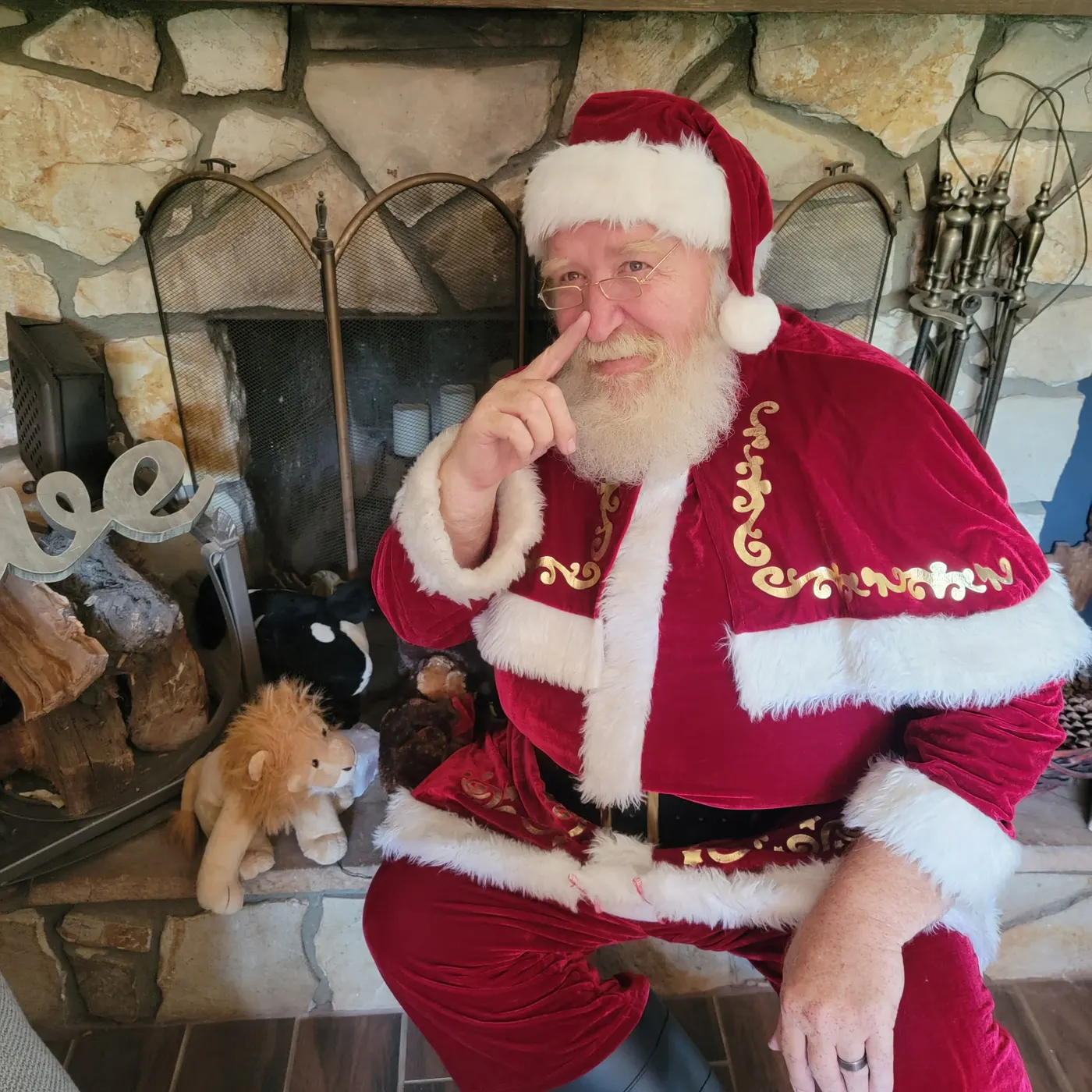
- St. Nicholas in his mitre and red vestments, and Father Christmas in red velvet and fur.
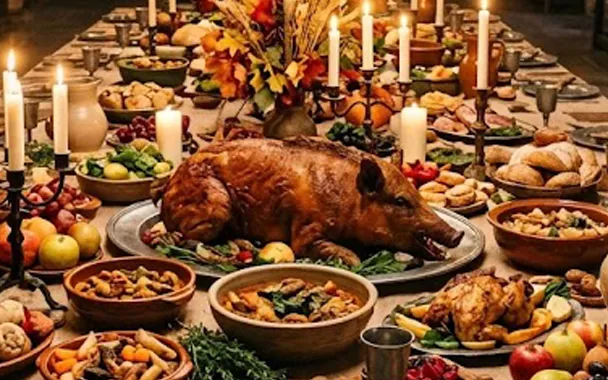
- Food at the stalls: turkey legs and meat pies photograph well in side light.
- Wide shots of El Monte County Park, with the rocky face of El Cajon Mountain above the valley.
Gear and etiquette checklist
- Keep tripods and selfie sticks out of walkways and away from the tournament area.
- Don’t block other visitors’ views at the rail for long.
- Mute your camera or phone shutter sound during quiet storytelling.
- Use a lens hood or your hand to shade the lens in low afternoon sun.
- If you plan commercial photography, check with the festival first.
Questions
What shutter speed should I use for jousting?
Nikon suggests around 1/500 second as a starting point for fairly fast motion and 1/1000 or more for very fast subjects. A galloping horse is fast, so start at 1/1000 if the light allows, or try panning at a slower speed for motion blur.
When is the best light at the festival?
The hour before sunset, which is around 4:41 pm in early December. Midday light is harsher, so look for open shade for faces.
Do I need permission to photograph reenactors?
Ask before taking close or posed portraits. Most are happy to pose, and asking usually gets you a better photo. Always ask a parent before photographing someone else’s child.
Can I take good photos after dark with a phone?
Yes, for still subjects. iPhone Night mode and Pixel Night Sight turn on automatically in low light; hold steady and keep the flash off.
Sources
- Capturing or Freezing Motion in Photos, Nikon USA
- Use Night mode on your iPhone, Apple Support
- Take photos in low light or at night on your Pixel phone or tablet, Google Pixel Camera Help
- Sun and Moon Data for One Day: Lakeside, CA, December 5, 2026, U.S. Naval Observatory
- El Monte County Park, San Diego County Parks and Recreation